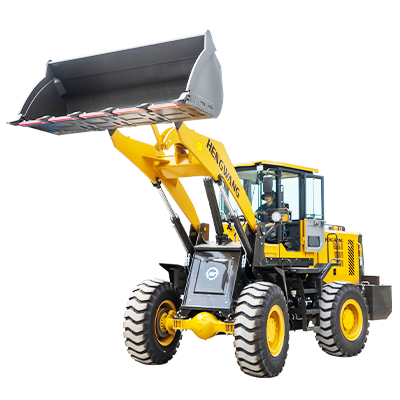
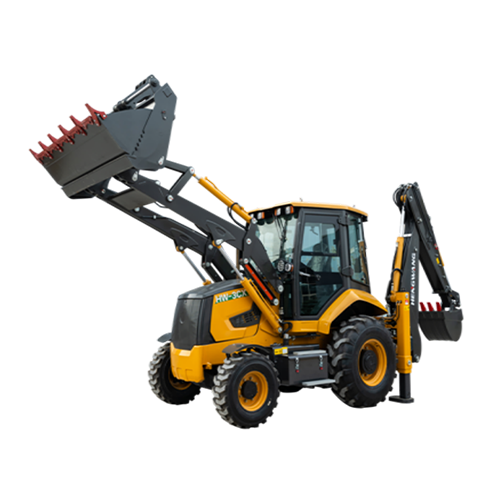
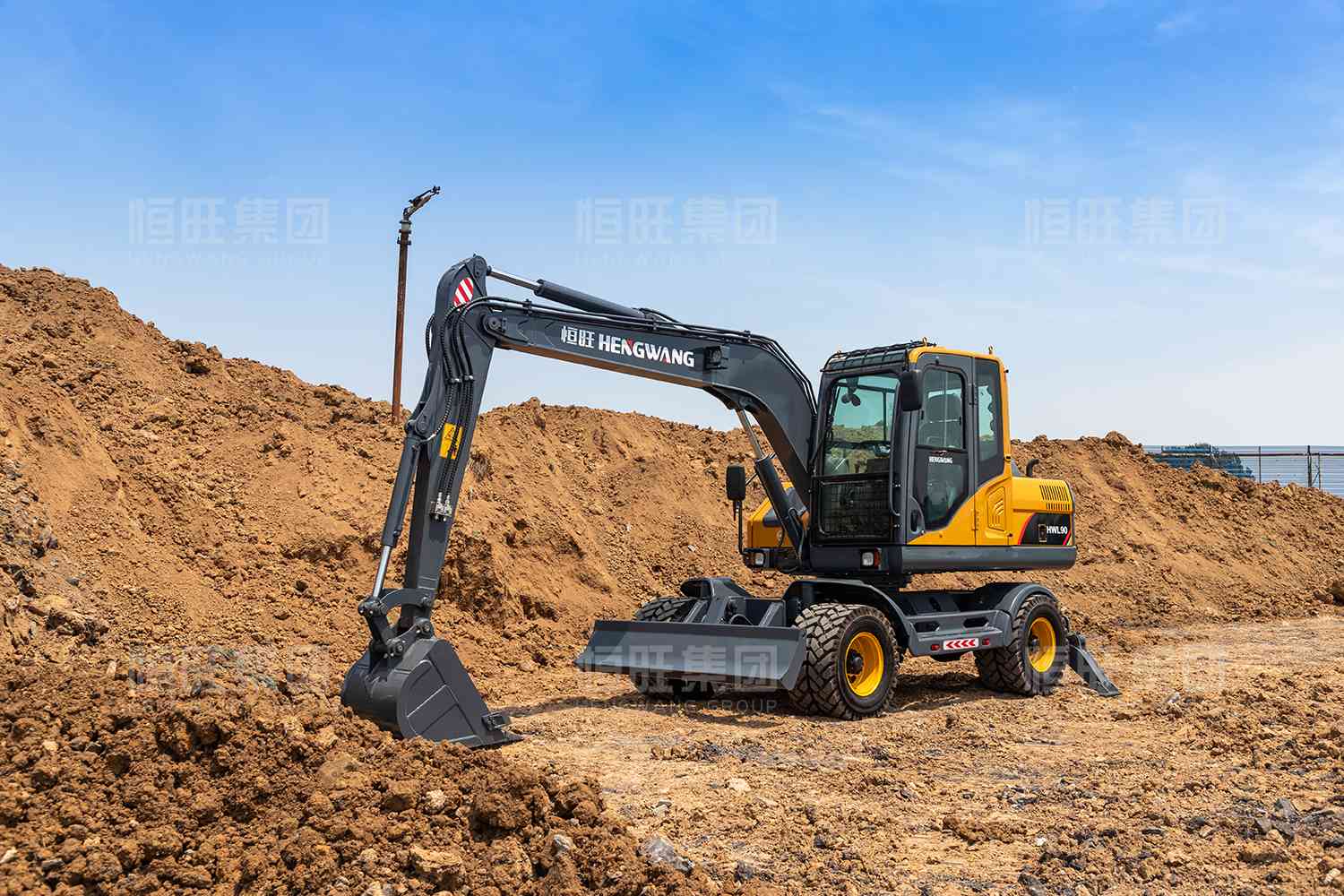
In the construction machinery sector, wheel excavators (commonly termed "wheel excavators") are reshaping market dynamics with their unique advantages. Combining flexibility and versatility, these machines excel in municipal maintenance, farmland irrigation, road repairs, and other scenarios requiring agility. While some users question their stability compared to tracked excavators, advancements like integrated balancing cylinders enable dynamic leveling and shock absorption during operations. This innovation allows wheeled excavators to maintain horizontal stability even on slopes—a feature unmatched by tracked counterparts.
Technological Advancements
Modern wheel excavators are evolving toward smarter, greener solutions. Modular designs now accommodate rapid tool swaps, enabling seamless transitions between digging, crushing, and loading tasks. Integration of IoT sensors and GPS systems enables real-time monitoring and remote control, while electric and hydrogen-powered variants reduce carbon footprints—a critical edge amid tightening environmental regulations. For instance, hybrid models combining diesel engines with electric motors achieve 20% lower fuel consumption, aligning with global sustainability goals.
Market Dynamics
Wheel excavators are transitioning from niche tools to mainstream equipment. Their compact size and road-friendly design minimize site preparation and transportation time, making them ideal for urban renewal projects, such as pipeline upgrades and community infrastructure overhauls. In regions like the Middle East and Africa, where infrastructure investments are surging, wheel excavators are gaining traction despite challenges in brand recognition and certification hurdles.
Growth Drivers
Urbanization & Policy Support: China’s urban renewal programs and equipment upgrade incentives are fueling demand. Wheel excavators under 10 tons dominate this space, catering to narrow spaces in residential areas and agricultural zones.
Export Opportunities: While exports currently represent 20% of domestic sales, expanding into Southeast Asia and Eastern Europe could unlock new revenue streams. Localized adaptations—such as heavier models for ports or specialized attachments for green energy projects—are key to penetrating these markets.
Technological Convergence: Innovations like AI-driven workload optimization and 5G-enabled remote operations are redefining efficiency. For example, smart systems adjusting hydraulic pressure based on soil resistance can boost productivity by 25%.
Challenges Ahead
Despite progress, challenges persist. Battery energy density for electric models remains below 350Wh/kg, limiting operational range. Additionally, global supply chain volatility and fluctuating raw material costs (e.g., steel prices) pressure profit margins.
Future Outlook
By 2030, wheel excavators are projected to capture 15% of the global market, driven by urbanization and green infrastructure trends. Emerging applications in waste management and eco-friendly construction will further diversify demand. Companies prioritizing modular designs, energy efficiency, and AI integration are poised to lead this transformation, cementing wheeled excavators as indispensable tools in the next-generation construction landscape.